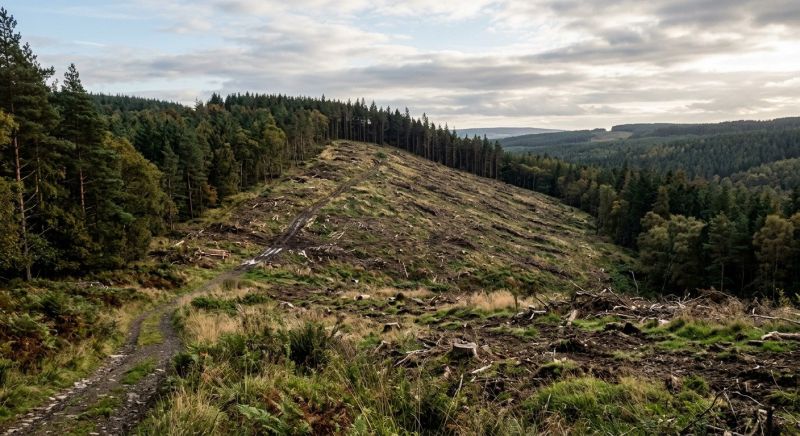
Slope Clearing in Salt Lake City, UT
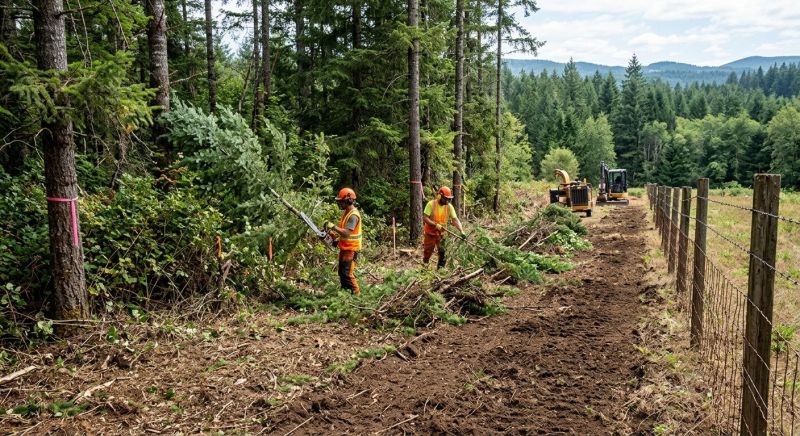
Slope clearing services involve removing excess soil, vegetation, or debris from sloped areas to improve stability, drainage, and overall landscape appearance. These projects often include leveling uneven terrain, removing overgrown bushes or trees, and preparing slopes for construction, landscaping, or erosion control. Property owners typically request slope clearing when they notice issues like standing water, soil erosion, or when planning to install features such as gardens, patios, or retaining walls that require a stable, even surface.
Before requesting slope clearing, homeowners should consider the current condition of the slope, including its size, steepness, and the types of materials involved. Understanding the scope of the project helps determine the necessary equipment and techniques, ensuring the work is performed safely and effectively. It's also useful to clarify any local regulations or permits that may apply to slope modifications, especially on larger or environmentally sensitive properties.
Many property owners in Salt Lake City, UT look into Slope Clearing for repairs, replacements, upgrades, and appearance-related improvements.
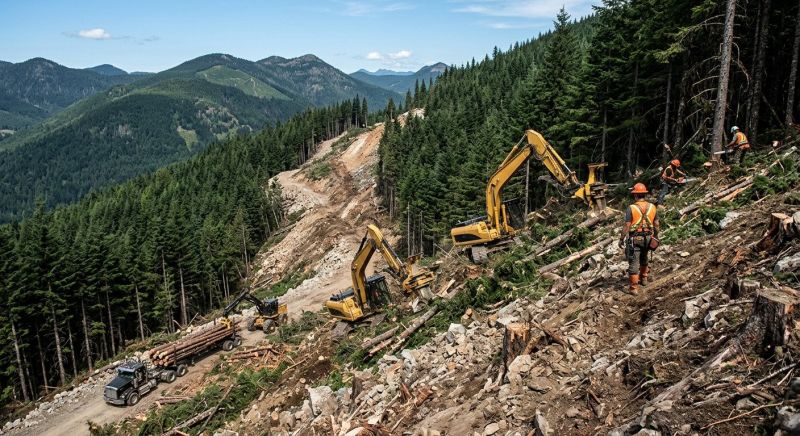
Terrain Preparation
Slope clearing creates a stable foundation for construction or landscaping projects.
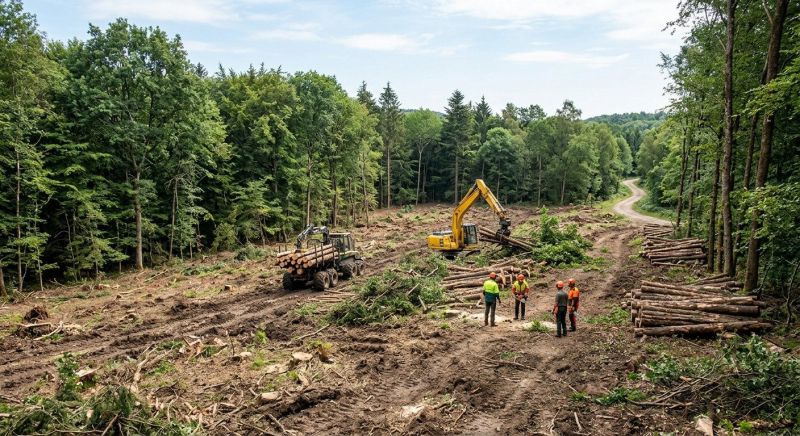
Erosion Control
Proper slope clearing helps prevent soil erosion and maintains landscape integrity.
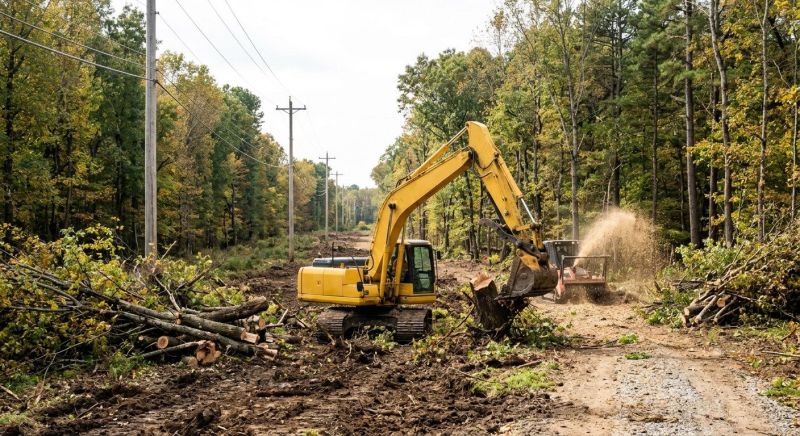
Property Enhancement
Clearing slopes can improve accessibility and aesthetics around salt lake city properties.
Slope Clearing in Salt Lake City, UT
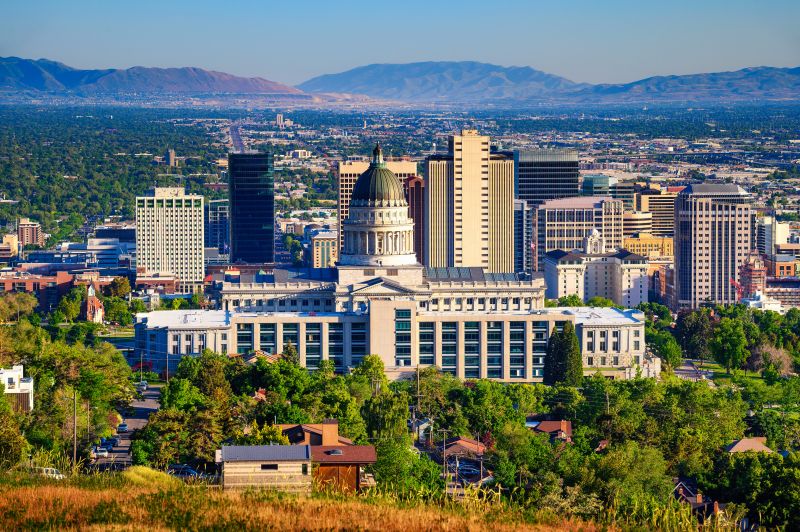
Slope clearing services involve removing excess soil, vegetation, or debris from sloped areas to improve stability, drainage, and overall landscape appearance. These projects often include leveling uneven terrain, removing overgrown bushes or trees, and preparing slopes for construction, landscaping, or erosion control. Property owners typically request slope clearing when they notice issues like standing water, soil erosion, or when planning to install features such as gardens, patios, or retaining walls that require a stable, even surface.
Before requesting slope clearing, homeowners should consider the current condition of the slope, including its size, steepness, and the types of materials involved. Understanding the scope of the project helps determine the necessary equipment and techniques, ensuring the work is performed safely and effectively. It's also useful to clarify any local regulations or permits that may apply to slope modifications, especially on larger or environmentally sensitive properties.
Many property owners in Salt Lake City, UT look into Slope Clearing for repairs, replacements, upgrades, and appearance-related improvements.
Common Slope Clearing Jobs
Slope clearing services - removal of excess vegetation and debris from sloped areas to improve safety and accessibility.
Drainage improvement - grading slopes to facilitate proper water runoff and prevent erosion.
Erosion control - installing barriers or planting to stabilize soil on steep or vulnerable slopes.
Landscaping prep - clearing slopes to create level areas for planting, lawns, or construction projects.
Debris removal - clearing fallen branches, rocks, and other debris from hillside areas.
Slope stabilization - implementing measures to reduce soil movement and maintain slope integrity.
Slope Clearing Questions
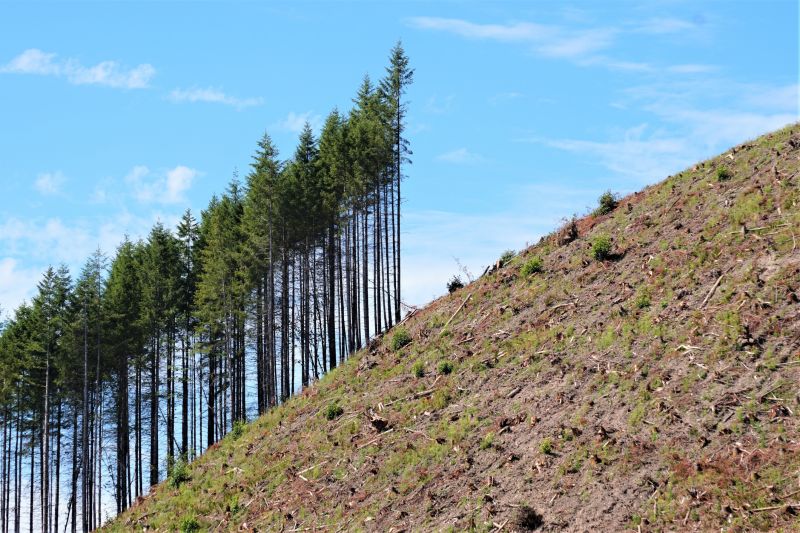
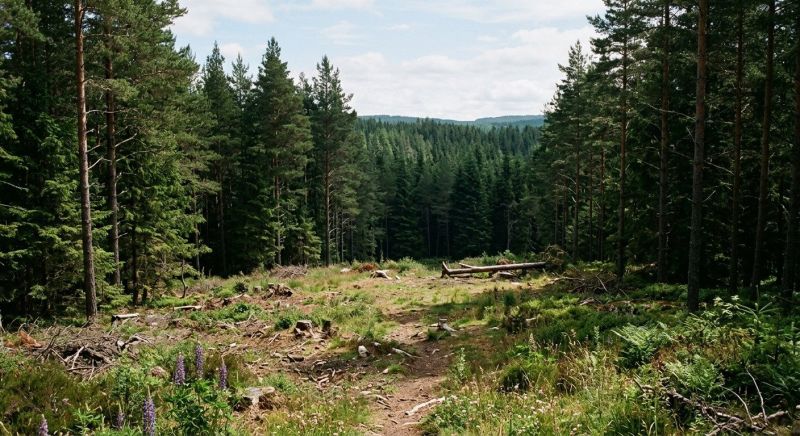
What is slope clearing? Slope clearing involves removing vegetation, debris, and obstructions from hillside areas to prevent erosion and improve stability.
When is slope clearing necessary? It is typically needed before construction, after storms, or to maintain hillside safety and prevent land degradation.
What types of projects require slope clearing? Projects include building foundations, driveway installations, landscaping, and hillside stabilization efforts.
How does slope clearing benefit property owners? It helps reduce erosion, enhances land accessibility, and prepares the site for future development or landscaping.
Request Slope Clearing in Salt Lake City, UT
Use the quote form on this page to share the basics of your project and request more information for the type of work you need.